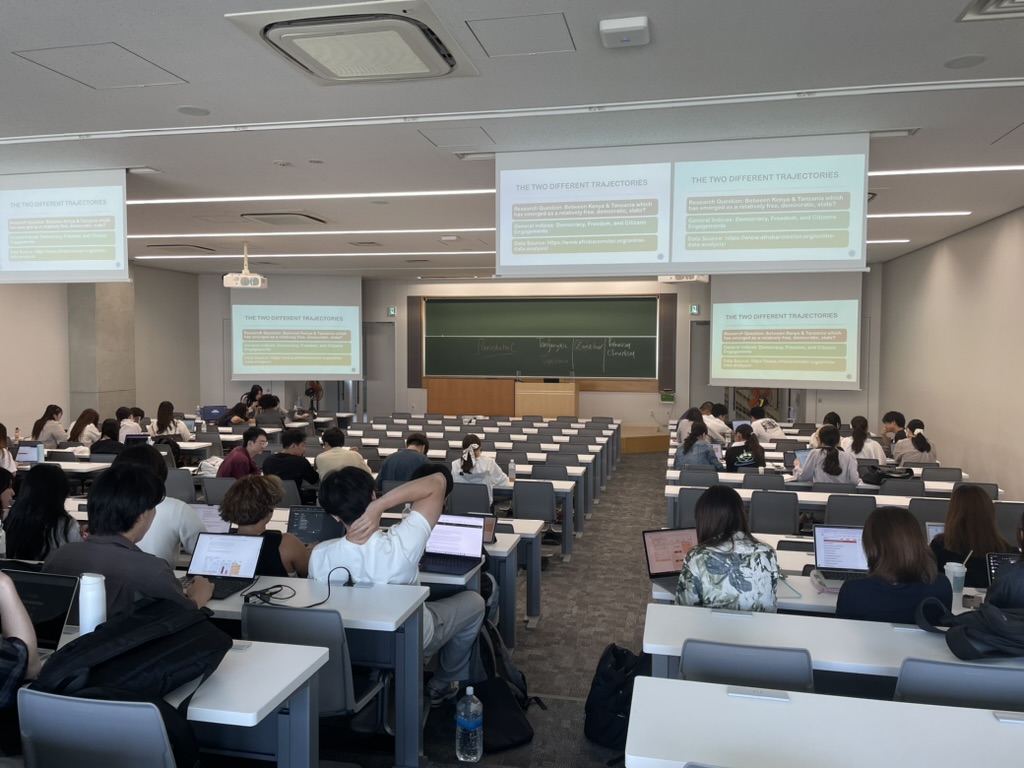

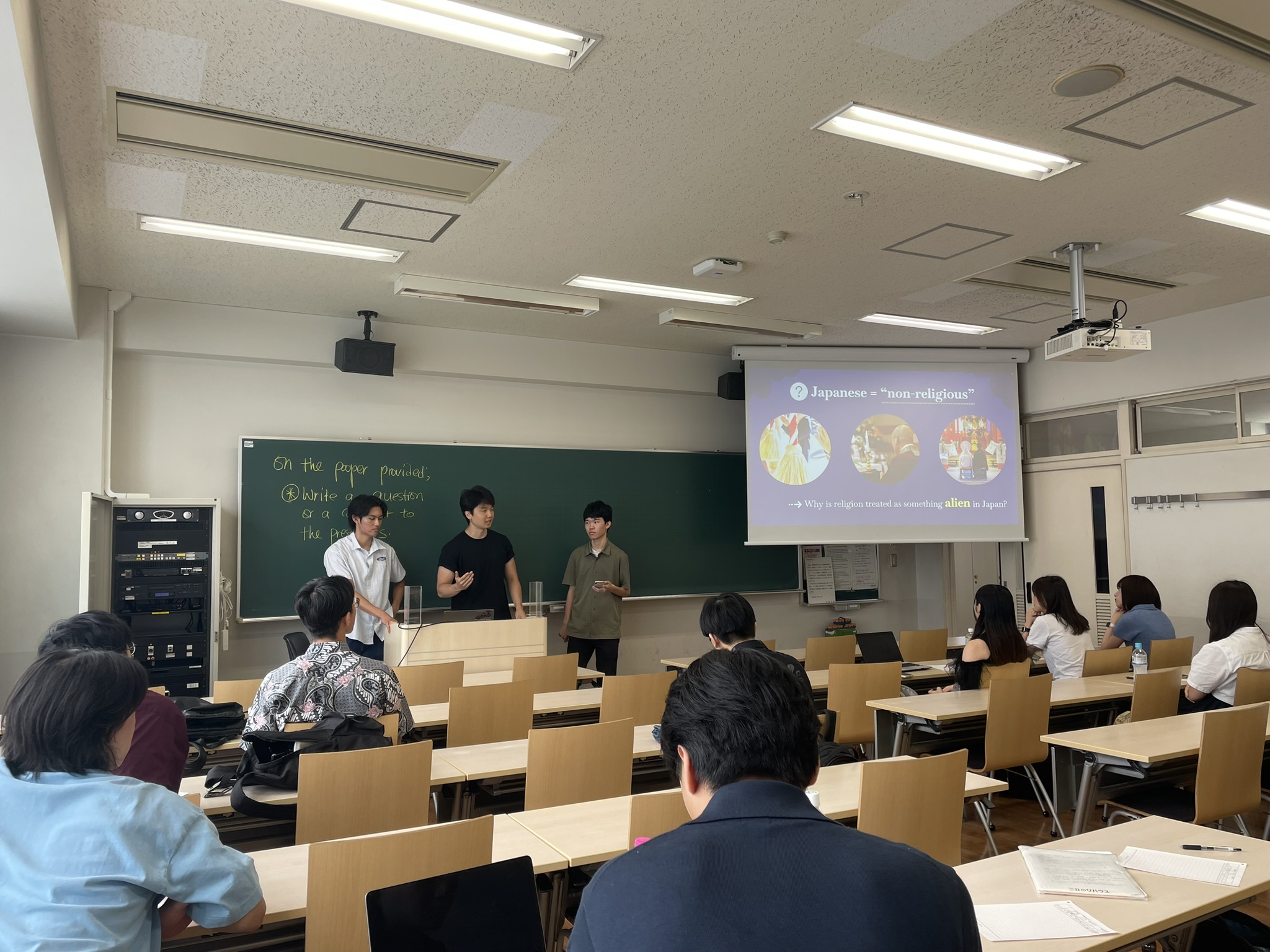
Yesterday, I received a comment from one of my students. It wasn’t dramatic or confrontational—just a quiet observation wrapped in honesty. She said, “You’re neutral. Unlike other professors here, you don’t seem to be too loud about your stance on things like gender or political issues. You seem to accommodate all of us, no matter our opinions.”
I smiled, unsure if it was meant as praise or critique. But it stayed with me.
I kept turning it over in my mind—on the walk home, while preparing dinner, even as I lay in bed. I asked myself: Shouldn’t this be what teaching is? Not silence in the face of injustice. Not passivity. But rather, a careful tending of space—a space where every student, regardless of background or ideology, can unfold.
I know my own impulses. Like anyone, I have my convictions. My instinct is often to persuade, to call, even to convert—to shape others in the image of what I believe is just, fair, and wise. But I’ve also learned that the classroom is not a pulpit. It’s not a platform for cloning my own intellectual children.
It is, or should be, a place where students can try out their voices without fear of ridicule. A space where disagreement doesn’t fracture community, but rather builds muscle—of tolerance, of articulation, of deep listening.
And isn’t that what we need now more than ever?
In a world where politics often demands performance, where social issues have been reduced to slogans, and where outrage has become a currency—shouldn’t the classroom remain a place for the long conversation?
Where we don’t shout down those who differ from us, but ask: Why do you think that? What brought you there? What are you afraid of? What do you hope for?
I’m not interested in neutralizing students into blandness. I’m interested in helping them hear themselves think. To understand why they believe what they believe. To learn how to disagree without wounding. To know when to stand firm and when to stand back.
If they walk out of my class thinking more clearly, feeling more capable of expressing complex ideas with both courage and grace—then that is enough.
So yes, maybe the classroom does shape students in some way. But not into me. Hopefully, into a fuller version of themselves.
Because real learning does not imprint. It unfolds.
And Then, There Was a Chair
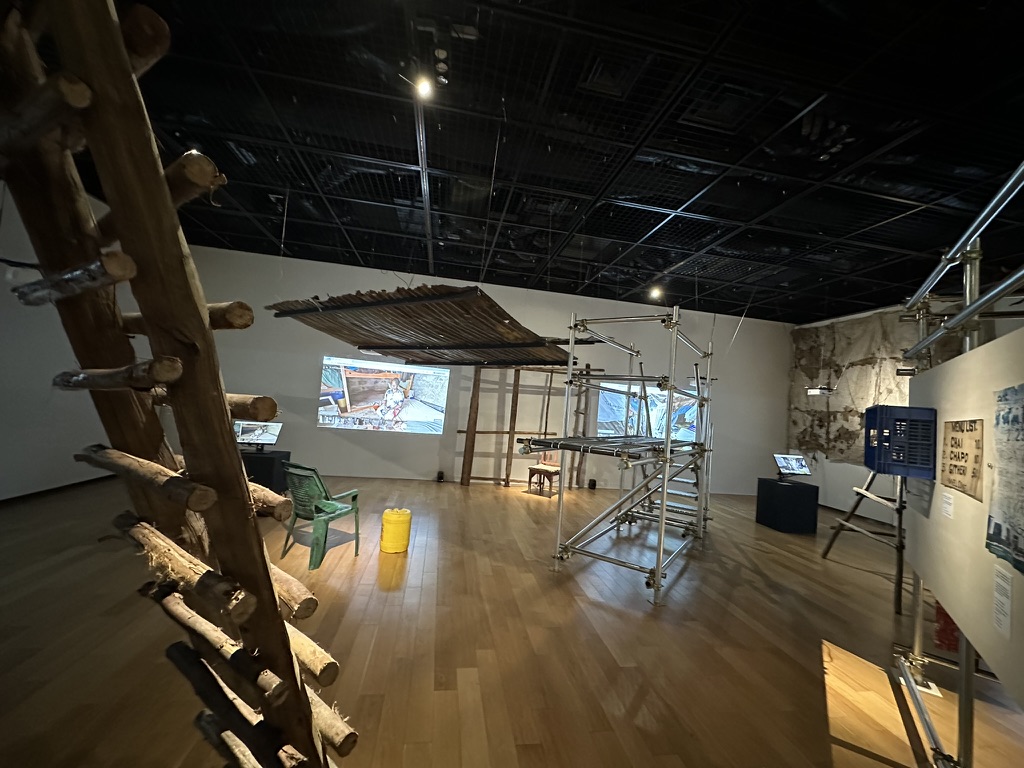
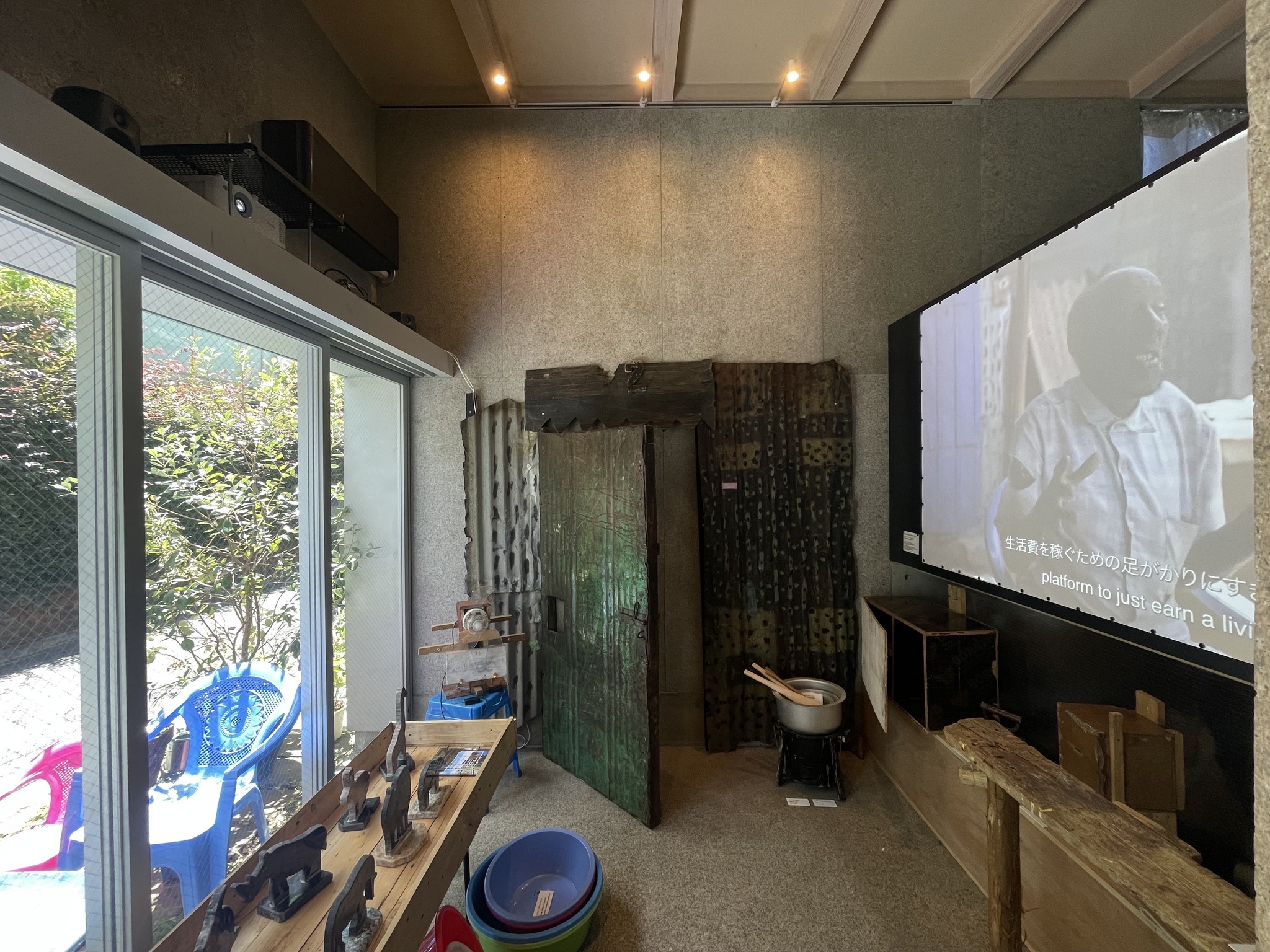
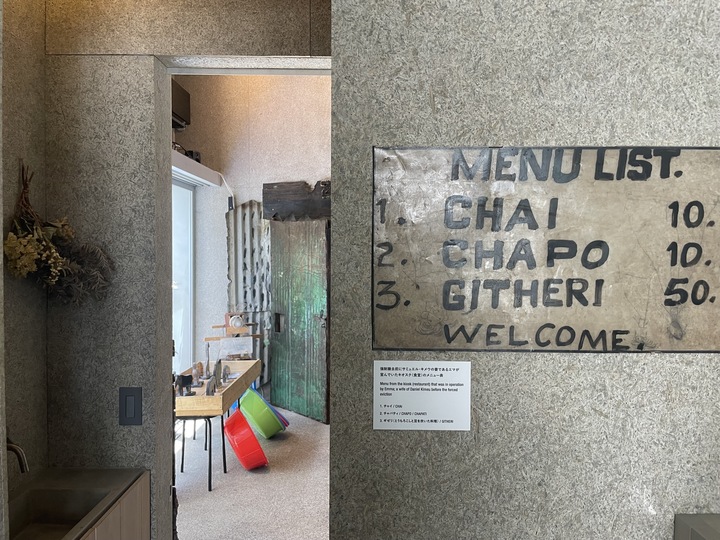
So today I went to Tokyo, I should say, I dragged myself, because I was really tired, and did not want to get up early on a Saturday. I sat in a small café. The theme was architecture, curated by a friend—an architecture professor—who had returned from Nairobi, well sometimes last year. I had gone to help her set up. She had brought back objects: offcuts, photographs, bits of corrugated sheet metal, fragments of urban maps, and among them, a few simple plastic chairs from Mukuru.
I sat on one.
And without warning, I was back there.
Not physically, of course—I was still in Tokyo, coffee in hand. But memory, like story, knows no visa requirements. As I sat in that chair, my emotions folded me gently back into Mukuru. The streets, the smells, the conversations. The slow-burning resilience of people building lives in the cracks of state neglect. That chair, so plain in its form, carried the weight of a thousand stories.
I realized then that even outside the formal classroom, teaching—and learning—was happening.
The chair had become a storyteller.
It told of who sat in it, and how. Of who it was shared with, or who it was denied to. Of the council meeting that took place on its legs, the meal shared across it, the moment of rest it gave a tired body. These materials, which we often objectify through the lens of academic inquiry, were now speaking for themselves.
And in that moment, the café became another kind of classroom. One where the materials taught me—again—about the depth of people’s lives. Their creativity, adaptation, and dignity. A form of pedagogy that does not lecture, but gently reminds.
I thought: Isn’t this also what the classroom can be?
A place where we don’t only bring knowledge to the students, but allow knowledge to rise from the world they inhabit. Where we do not only analyze lives, but listen to them. Where students are not merely readers of texts, but readers of the world—its chairs, its dust, its silences, its joys.
Maybe then, the goal is not to master the world through theory, but to enter it more deeply through story. To allow materials—and the people behind them—to interrupt our assumptions.
Perhaps real learning happens not just when we teach others, but when we are taught—by a plastic chair in Tokyo that once held someone in Mukuru.
And so, the classroom stretches. It moves beyond walls, syllabi, and schedules. It walks with us, sits beneath us, and speaks—when we are ready to listen.
What the Classroom Holds
So I thought, a classroom—not just as a physical room with desks and projectors, should be seen as a concept. A living, breathing idea.
The student’s comment—simple, sincere, and unexpected: “You are neutral,” lingered. Not as a dismissal, but as an invitation. An invitation to reflect on what it means to teach in times like these, when the world often demands that we pick sides loudly, and our institutions reward performance over presence.
But neutrality, I’ve realized, is not the absence of position—it is the presence of care. It is the refusal to use the classroom as a stage for ego, and creating learning subjects after my own image. It is the belief that students should find their own truths, not adopt mine. It is creating a space where difference can breathe, where disagreement sharpens thought rather than wounding it.
And then, the chair also taught me.
That plastic chair in a Tokyo café, hauled in from Mukuru by a friend with an eye for architecture and a heart for story. I sat in it, and it sat in me. A chair like that carries a kind of memory. It bears witness. It knows more than we think it does. It reminded me that learning doesn’t only happen in institutions—it also happens through encounters. Through materials. Through the overlooked and the everyday.
It made me wonder: what if the classroom could also be this? A space not only for theory and argument, but for noticing. For listening to the silent testimonies of objects. For honoring the lives embedded in things we often consider mundane. For letting the world speak back to us—not just through books, but through plastic chairs, rusted doors, borrowed time.
When I step back, I realize both of these moments—the student’s comment and the chair in the café—are asking the same thing of me: to reimagine the classroom. Not as a place where I form students in my own image, nor as a space where I perform certainty. But as a shared ground. A site of encounter. A room full of windows.
So maybe this is what I now believe:
That the classroom, at its best, is not a platform for control or persuasion. It is a space for witnessing.
It is a space for becoming.
 I-Connect